Lengua 2026: Building Something Bigger Than an Event
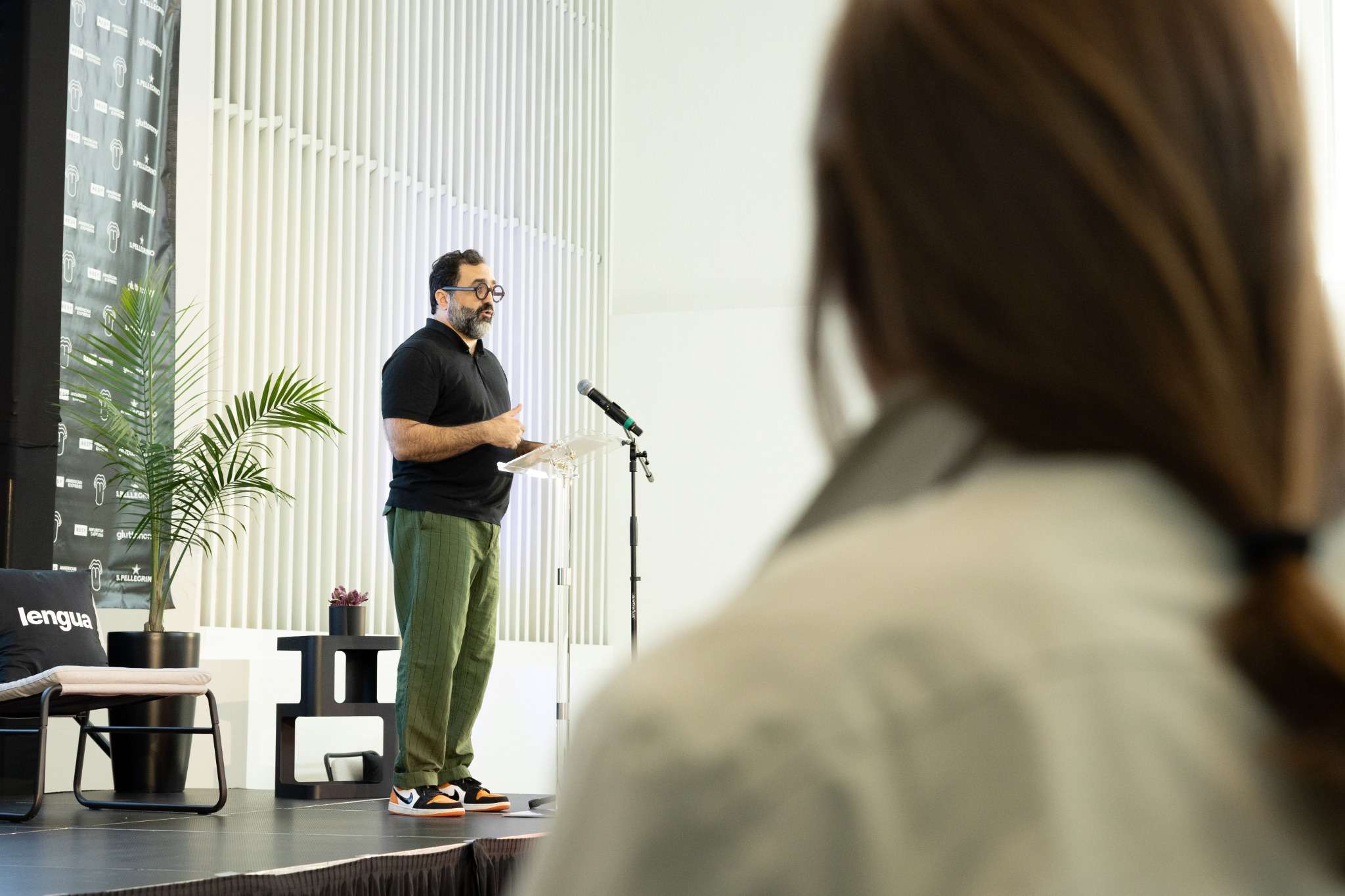
There are moments when you step back and realize something you’ve been building has outgrown its original shape. Lengua 2026 felt like one of those moments for me. What started as a gathering rooted in curiosity and conversation has evolved into something much larger, an ecosystem of ideas and people that is actively shaping Miami’s food industry.
Watching Lengua Grow
From my perspective, having seen Lengua from its earlier editions to now, the transformation has been both quiet and powerful. In the beginning, it was about creating a space for dialogue, bringing together chefs, operators, creatives, and thinkers who rarely had the opportunity to gather in the same room, let alone sit at the same table. In 2026, that intention is still there, but everything feels sharper. The conversations feel more relevant. The perspectives are more global. And the stakes feel higher. I don’t see Lengua as just a reflection of the industry anymore, I see it actively influencing it.
What stood out to me this year was the level of alignment across disciplines. I saw chefs thinking like entrepreneurs, technologists engaging deeply with hospitality, and operators embracing storytelling in a way that felt intentional. The silos are dissolving, and Lengua has become a real catalyst for that convergence.
The Talks That Mattered
This year, everything came back to one central idea: origins. What I found most powerful was how differently that idea was interpreted. Listening to Virgilio Martínez, I felt a deep reminder that origin is not just cultural; it’s geographical, ecological, almost philosophical. His perspective pushes you to think beyond ingredients or tradition, and into territory, altitude, history, and the full context of where something comes from.
Marcus Samuelsson brought a different kind of energy to the conversation. His take on origin felt more personal, more fluid, shaped by migration, by identity, by the experience of belonging to multiple places at once. It made me think about how origin isn’t always fixed; sometimes it’s something you carry and reinterpret.
That tension showed up again in the panel around building restaurant concepts rooted in origin. What does it really mean to stay true to where something comes from, while still creating something new? I saw founders and chefs grappling with that balance: between authenticity and evolution, between honoring and reimagining.
And then there were the local stories, which, to me, grounded everything. Hearing someone like Will Thompson from Sunny’s speak about building something in Miami, for Miami, made the whole theme feel tangible. It wasn’t abstract anymore. It was about what it means to create with a sense of place. It also made me reflect on the origin of Miami’s own cuisine, something that chefs like Norman Van Aken helped define early on, and that voices like Mike Beltran continue to reinterpret today. That evolution, from foundation to reinvention, feels like the same conversation happening across the entire industry.
What stayed with me is that origin isn’t a constraint, it’s a foundation. And the most interesting ideas are coming from people who know how to build from it, not just reference it.
Lengua and Miami’s Culinary Rise
Miami’s evolution as a food city has been undeniable over the past decade. But what’s been missing —until recently— is a platform that connects the dots. Lengua plays that role.
By bringing together local and international voices, it creates a feedback loop between Miami and the world. Ideas don’t just arrive; they are challenged and adapted. This is how real culinary hubs are built, through dialogue, collaboration, and a shared ambition.
In retrospect, I see how Lengua contributes to Miami’s growth in three ways: It elevates the conversation, pushing the industry into deeper thinking. It attracts global attention, positioning Miami as a place where meaningful conversations about food are happening. And last, it builds community, connecting people who can actually move the industry forward.
In that sense, Lengua is not just an event, it’s a platform.
The Role of Gluttonomy
None of this happens in a vacuum. Gluttonomy’s role in organizing Lengua is not just operational, it’s directional. It reflects a clear point of view about where the industry is headed and what conversations need to happen to get there.
By curating the right mix of voices and creating space for honest dialogue, Gluttonomy is positioning itself as more than an agency. It’s becoming a thought leader and a connector within the global food ecosystem. There’s a difference between hosting events and shaping industries. Lengua is increasingly doing the latter.
Looking Forward
Lengua 2026 felt like a milestone, but also like an inflection point.
The challenge now is not just to grow, but to deepen the impact. To continue asking better questions. To keep pushing the industry forward. And to ensure that Miami’s rise as a culinary hub is intentional and sustainable.
If this year proved anything, it’s that the appetite for these conversations is only getting stronger. And that Lengua is right at the center of it.
- Lengua Conference
- -
- Branding